
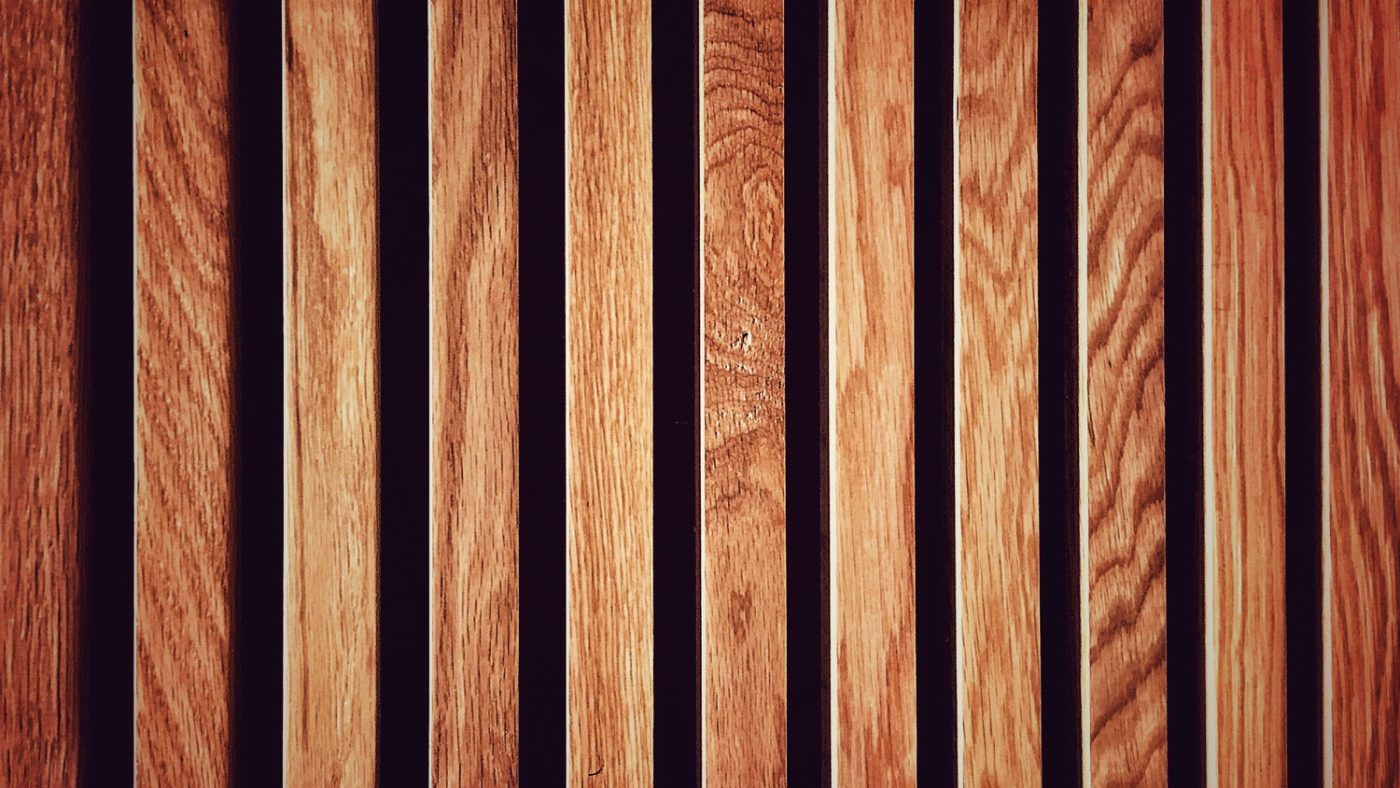
When it comes to selecting lumber for your project, the choice can be influenced by various factors, such as shapes, sizes, cuts, and finishes. One lumber type worth considering is rough sawn lumber, also known as rough cut lumber. Essentially, rough sawn lumber consists of untreated planks that are cut from logs. Notably, it is typically stronger than its counterparts, but it retains higher moisture levels since it hasn’t undergone kiln drying. The thickness of these planks exceeds that of surfaced wood, providing versatility for your projects.
Pros and Cons
As with any building material, there are advantages and disadvantages to keep in mind. Rough sawn planks are generally thicker and heavier than standard surfaced woods due to their size and moisture content, making them a solid choice for projects requiring strength and stability. Moreover, this type of lumber is often more cost-effective when purchased in bulk, primarily because it is untreated. However, it’s essential to consider the additional effort required to plane, flatten, and finish rough sawn planks to attain your desired dimensions.
Ideal Applications
Thanks to its inherent strength, stiffness, and larger sizes, rough sawn lumber planks are perfect for achieving a rustic, old-country aesthetic. If you’re aiming for the timeless charm of exposed beams to create a classic woodsman or log cabin style in your home, rough planks are an excellent choice.
Beyond home building and remodeling, rough sawn lumber can be tailored for various applications. Its natural appearance makes it a great fit for outdoor furniture like picnic tables, chairs, and swing sets. Smaller cuts can also be employed to craft beautiful picture frames, shelves, and other artistic pieces.
These are just a few of the remarkable features and applications of rough sawn lumber. For more information or assistance in choosing the right lumber for your specific project, please visit our website or give us a call.”